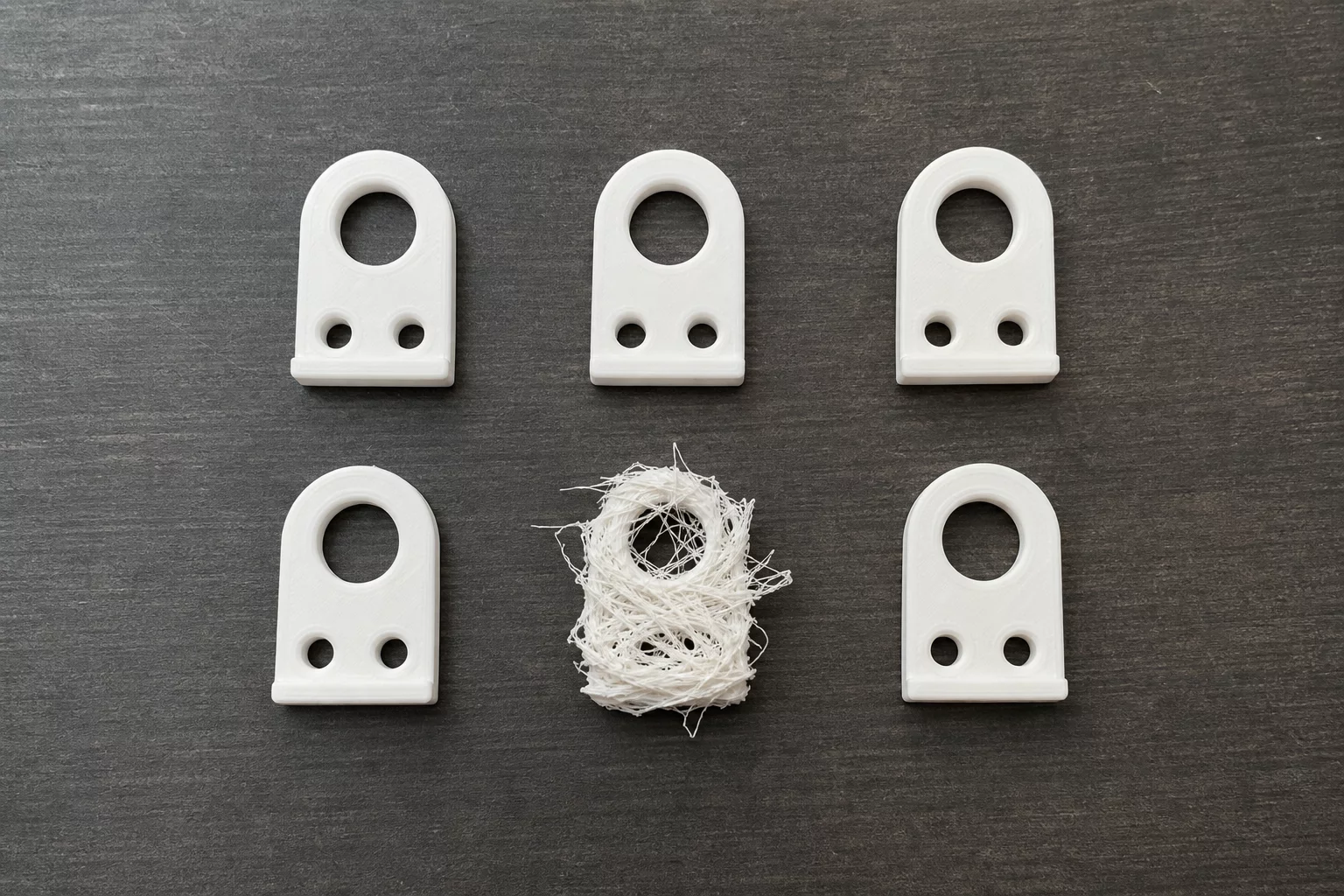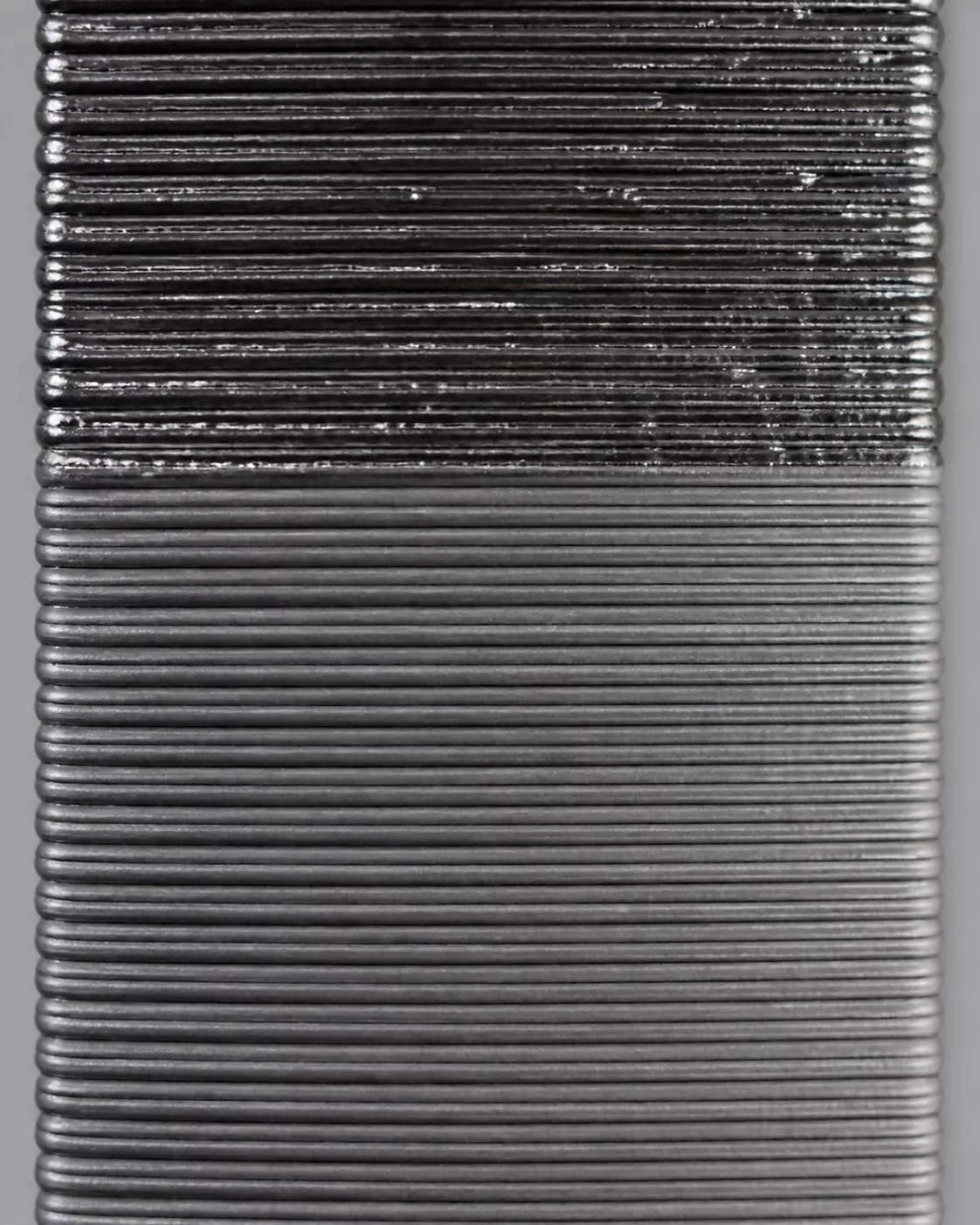
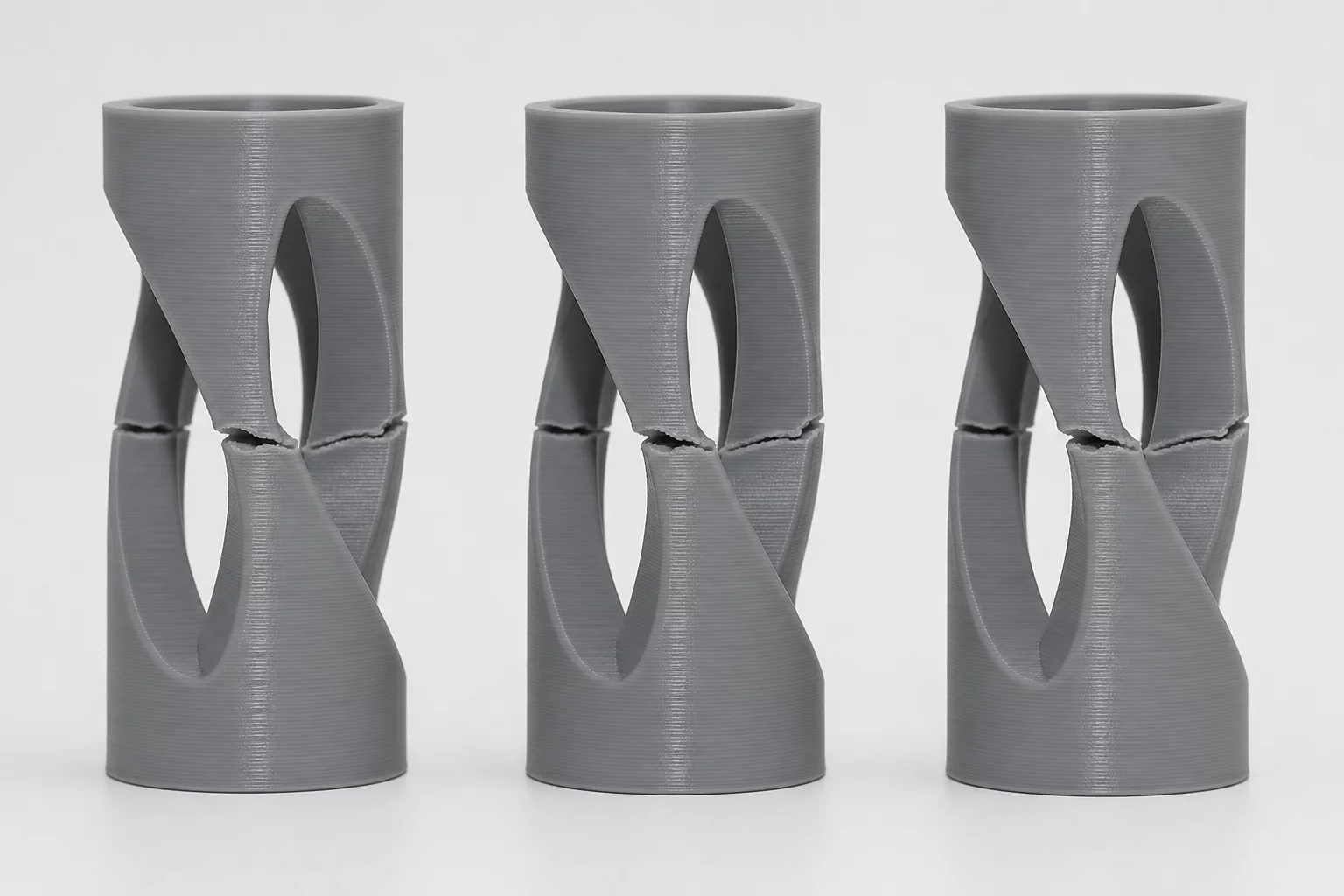
The Defect Appeared in the Same Place Three Times
When facing repeated print problems at identical layer heights, this protocol isolates mechanical leadscrew binding from slicing anomalies without premature retensioning.
A curated taxonomy of practical failure investigations addressing repeated print problems, thermal warping, dimensional fit tolerances, and stochastic printing anomalies.
Evidence-backed print failure analysis protocols for resolving complex 3D print defects and recurring mechanical inconsistencies before touching slicer settings.
When facing repeated print problems at identical layer heights, this protocol isolates mechanical leadscrew binding from slicing anomalies without premature retensioning.
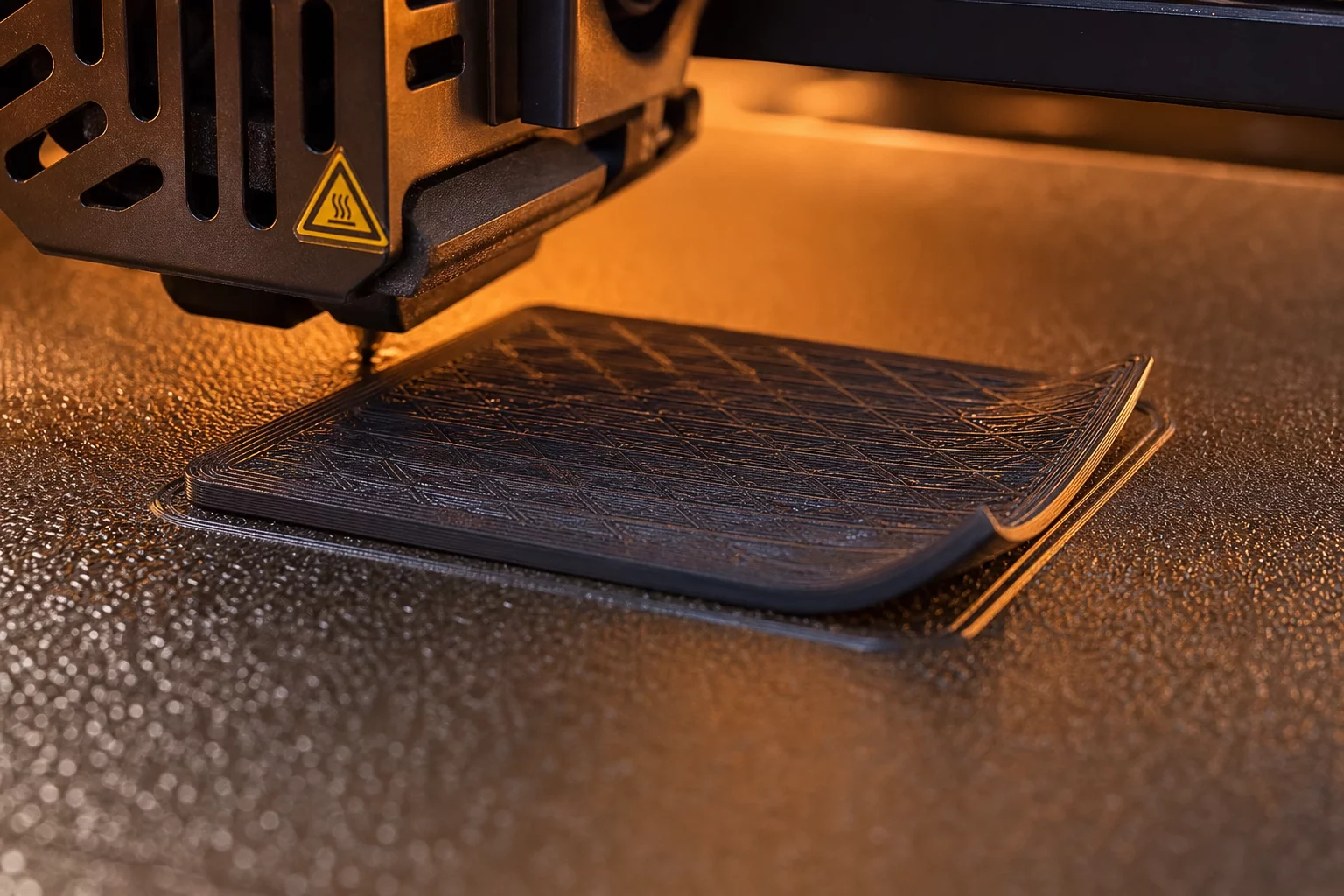
Targeted print failure analysis identifying directional drafts, localized bed contamination, and heating element temperature gradients across build plates.
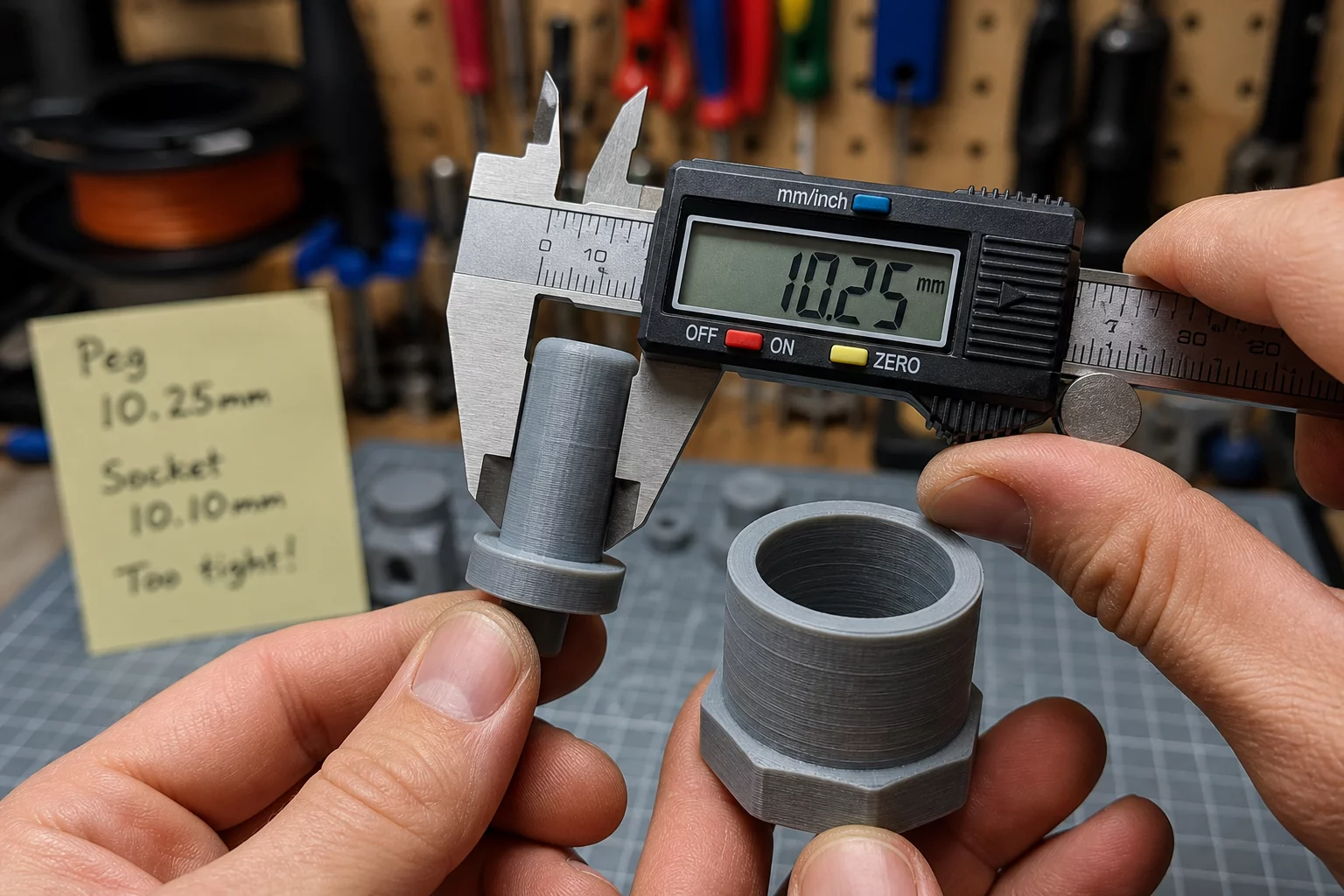
Diagnosing hidden 3D print defects in internal hole shrinkage, elephant foot expansion, and outer wall flow rate compensation on functional assemblies.
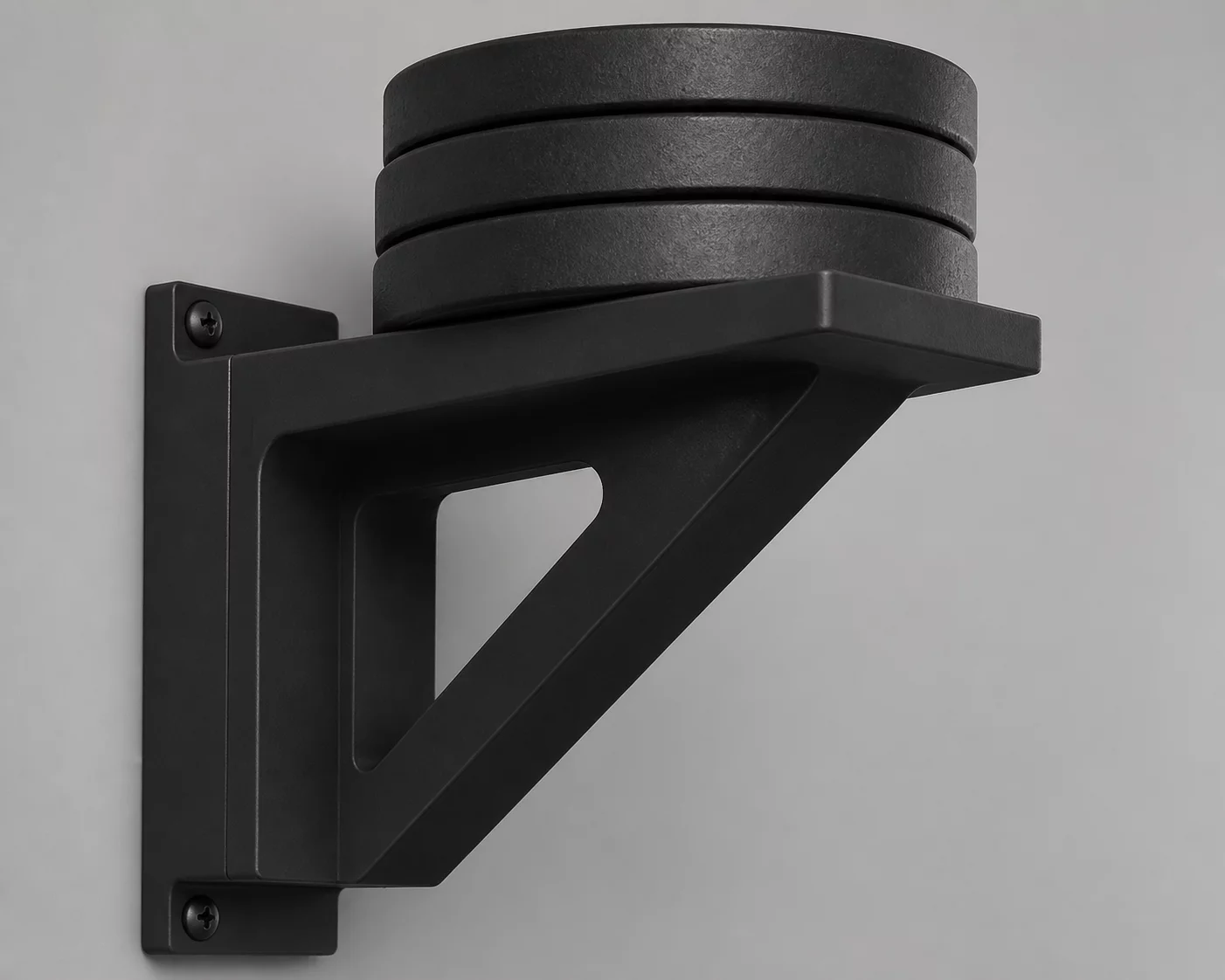
Categorizing benign cosmetic lines versus structural stress risers caused by solid infill transitions and wall overlap thresholds.
Resolving localized heat buildup and cooling deficits on tall, slender geometry while keeping the structural core intact.
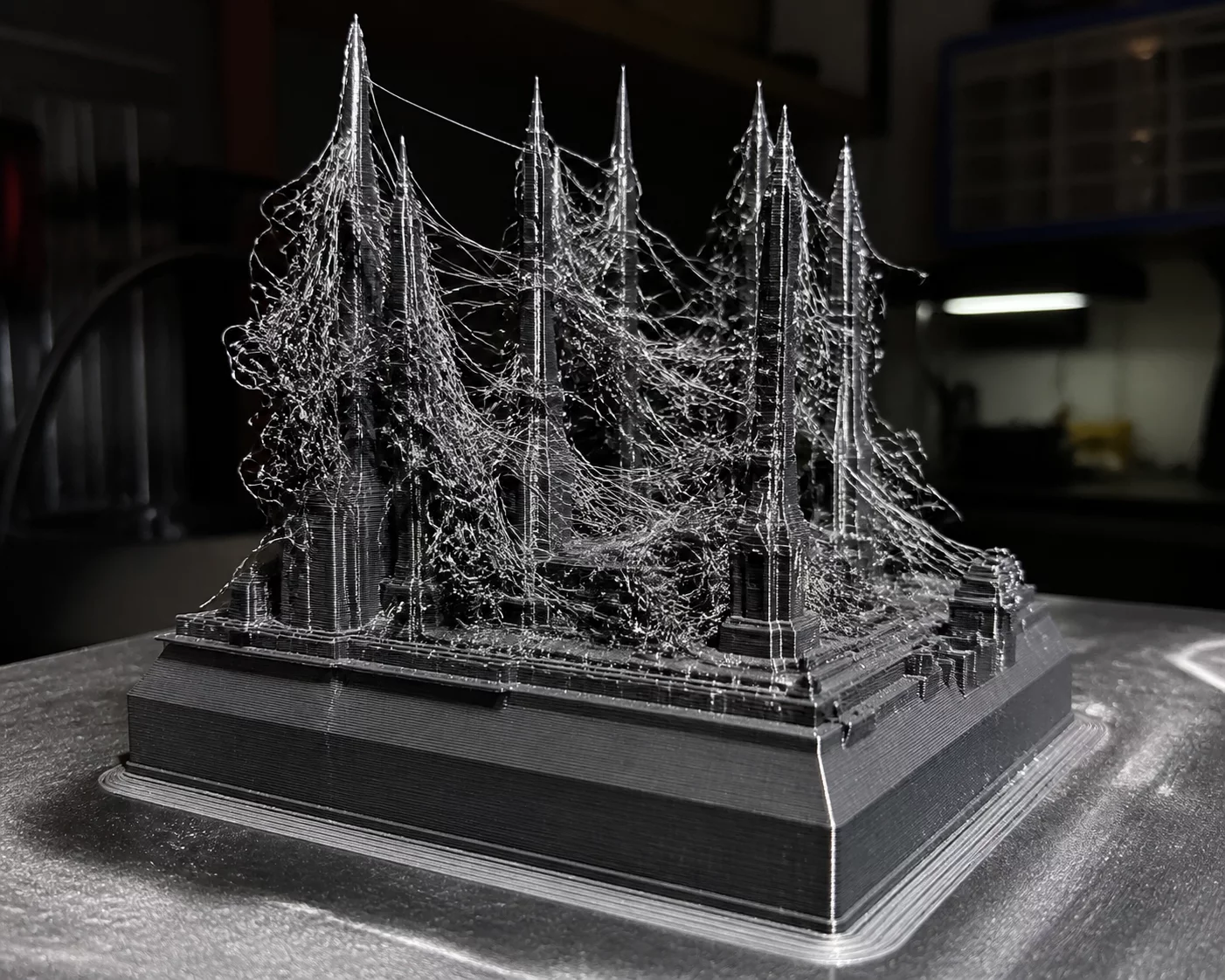
Methods to track stochastic print failure analysis variables including spool diameter shifts, ambient humidity spikes, and power fluctuation.
Determining whether minor sheen shifts signal extruder degradation or simply natural raw filament batch inconsistencies.
Try adjusting your search terms or selecting 'All Logs' to view the full index.
Before altering your extrusion multiplier, line widths, or retraction settings in the slicer, follow these standard diagnostic checks on your hardware.
Check belt tension, V-roller concentricity, nozzle cleanliness, and bed tramming with mechanical feeler gauges.
Verify spool moisture content and diameter consistency along a 3-meter section before assuming extrusion miscalibration.
Inspect speed transitions, acceleration ceilings, and layer-time thermal cooldowns directly inside G-code preview.