EVID-01
Extrusion & Skin
Surface Evidence
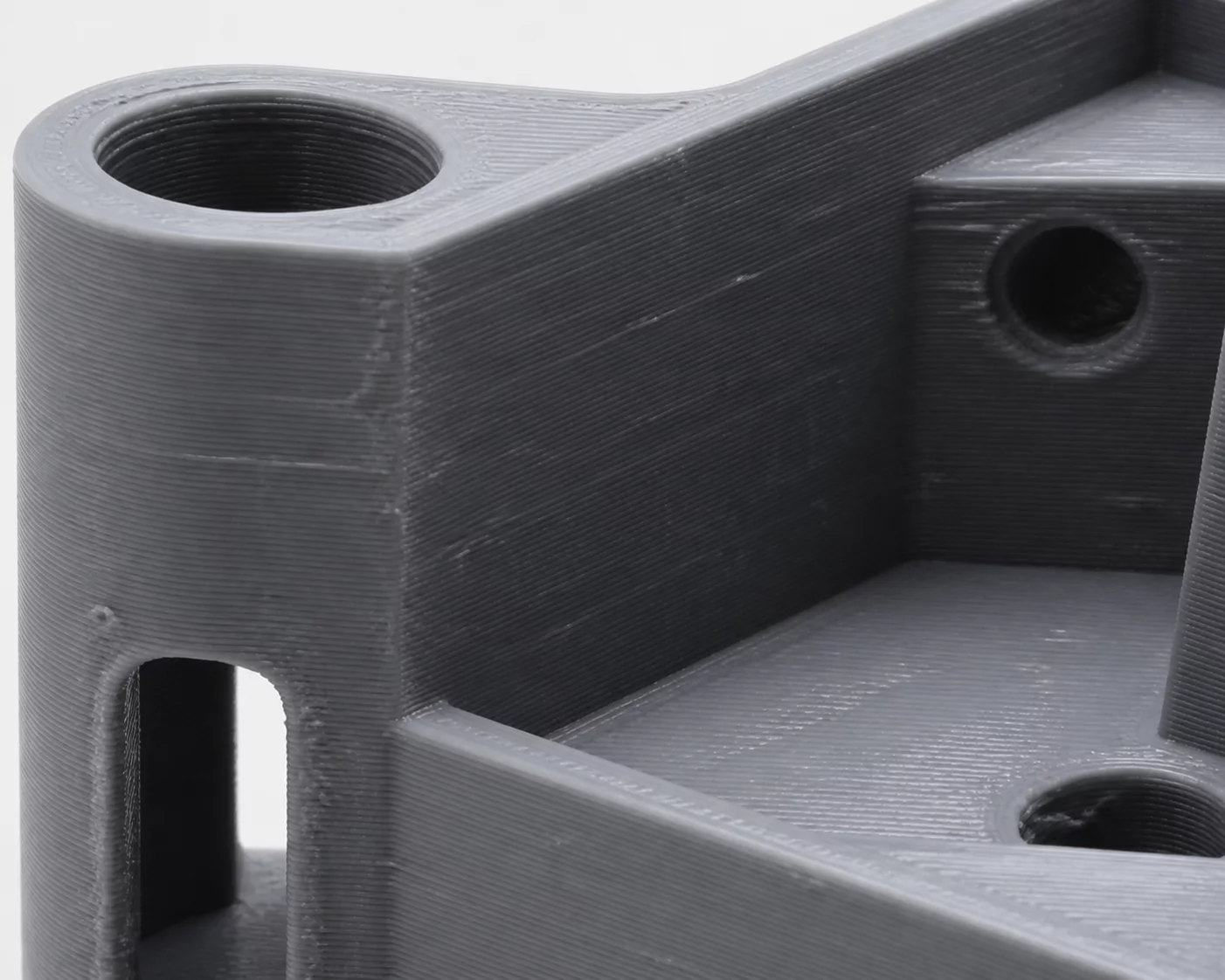
Analysis of visible lines, texture changes, scars, and irregular surfaces on 3D printed parts.
Primary IndexExamine Record
Identify physical failure symptoms across surface finish, geometric distortion, assembly tolerances, and mechanical weakness before tweaking your slicer profiles.
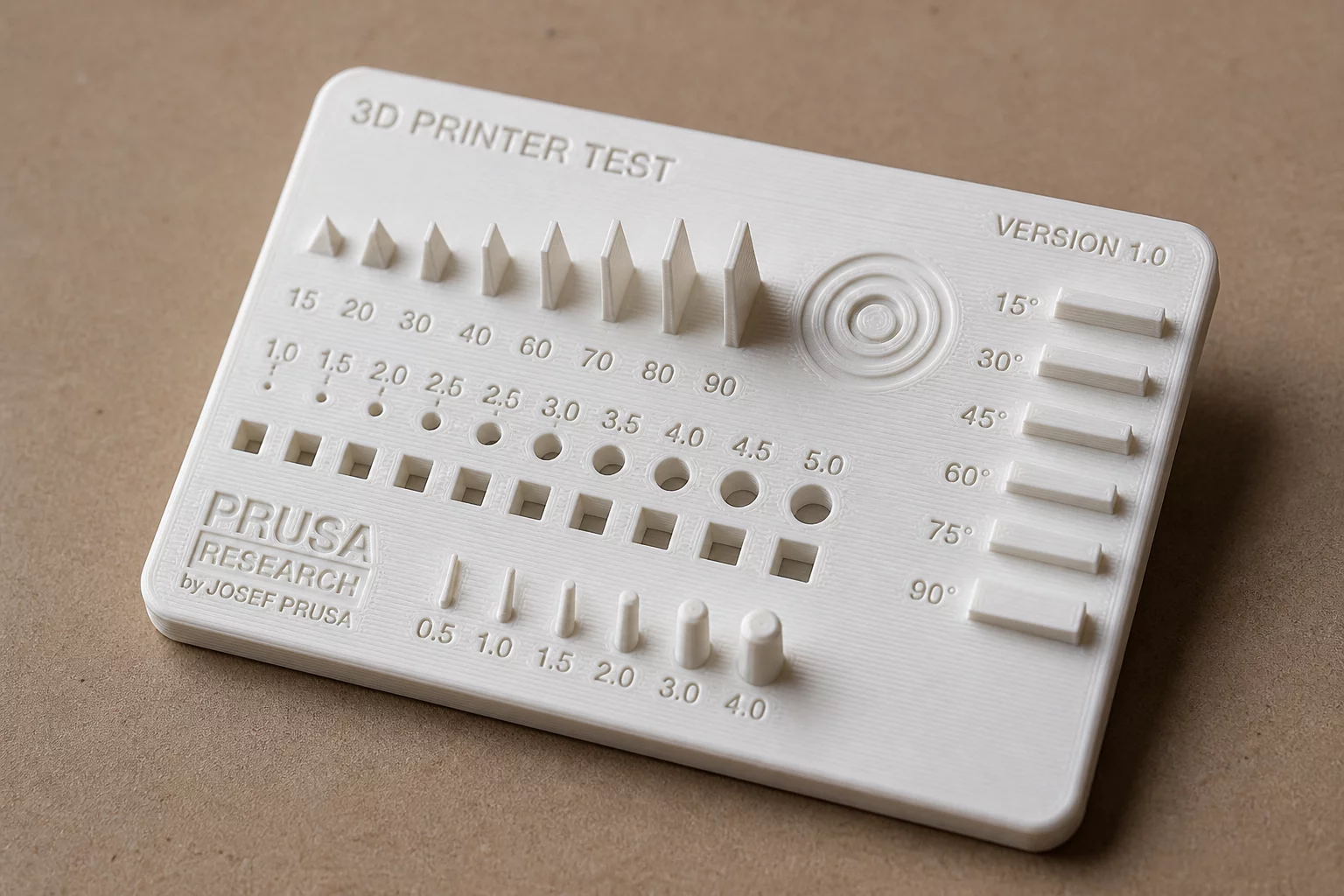
Systematic visual identification matrix. Isolate physical failure markers on test prints before adjusting extrusion multipliers, retraction distances, or chamber kinematics.
Analysis of visible lines, texture changes, scars, and irregular surfaces on 3D printed parts.
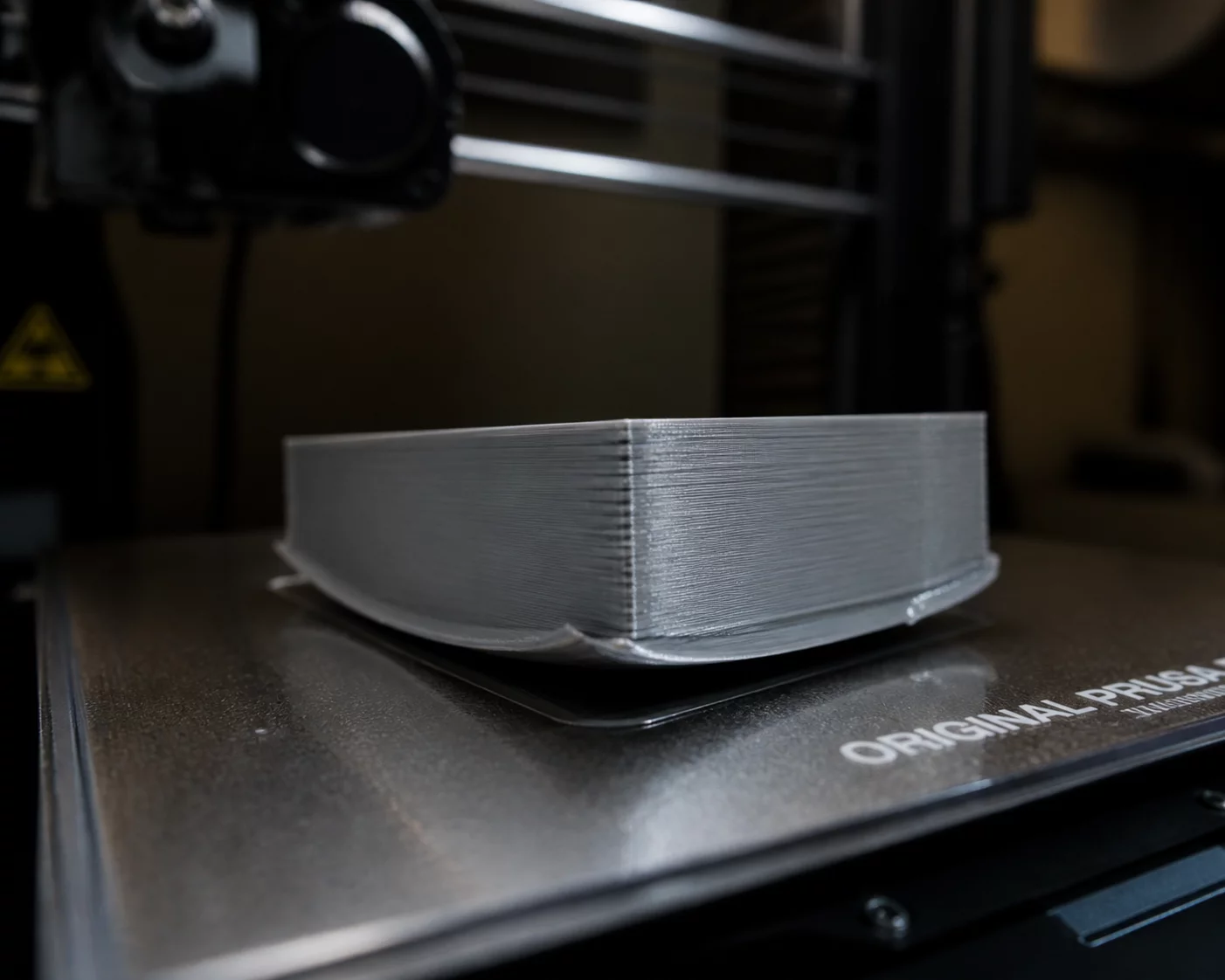
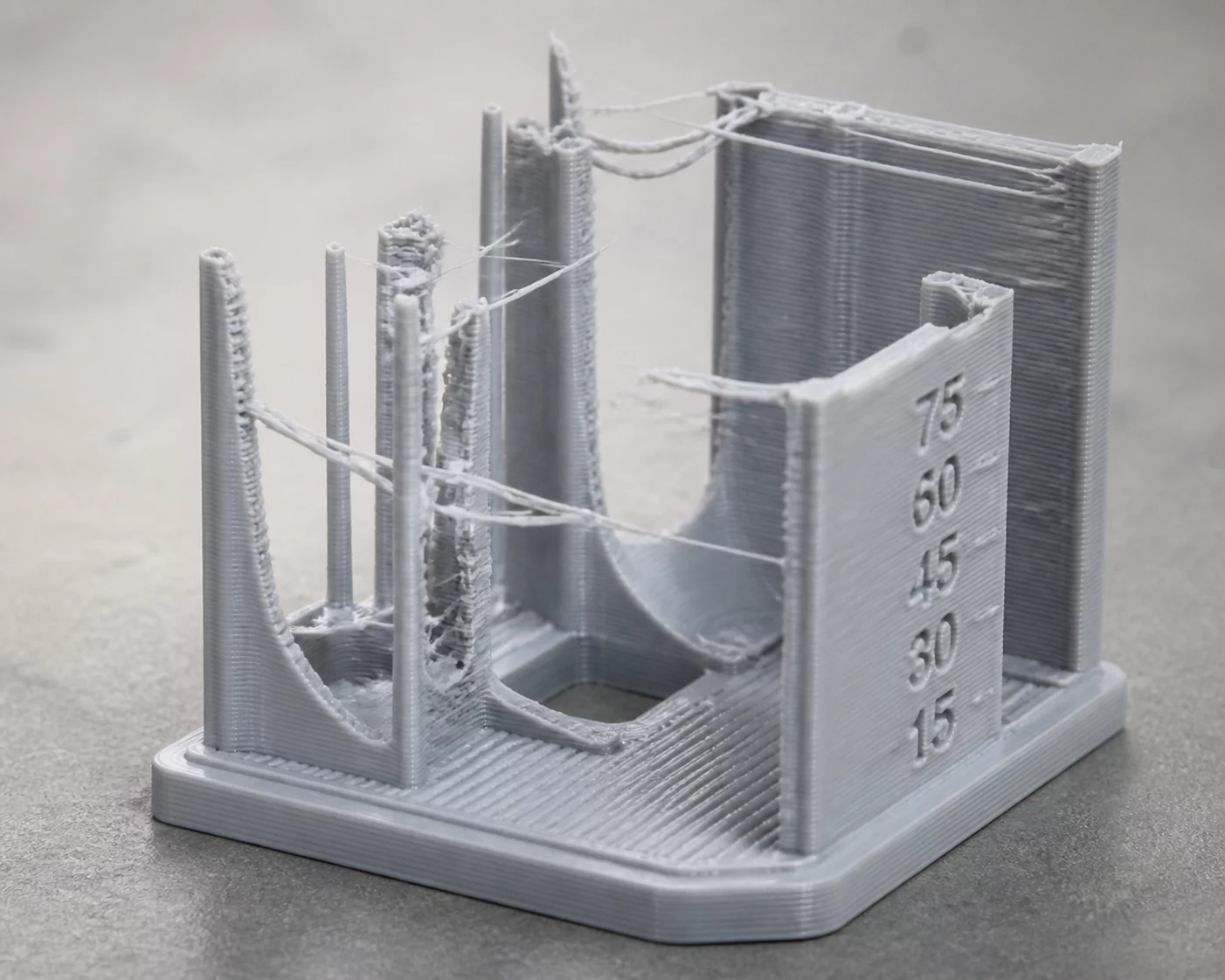
Diagnostic guide for warping, distortion, and unexpected dimensions in prints.
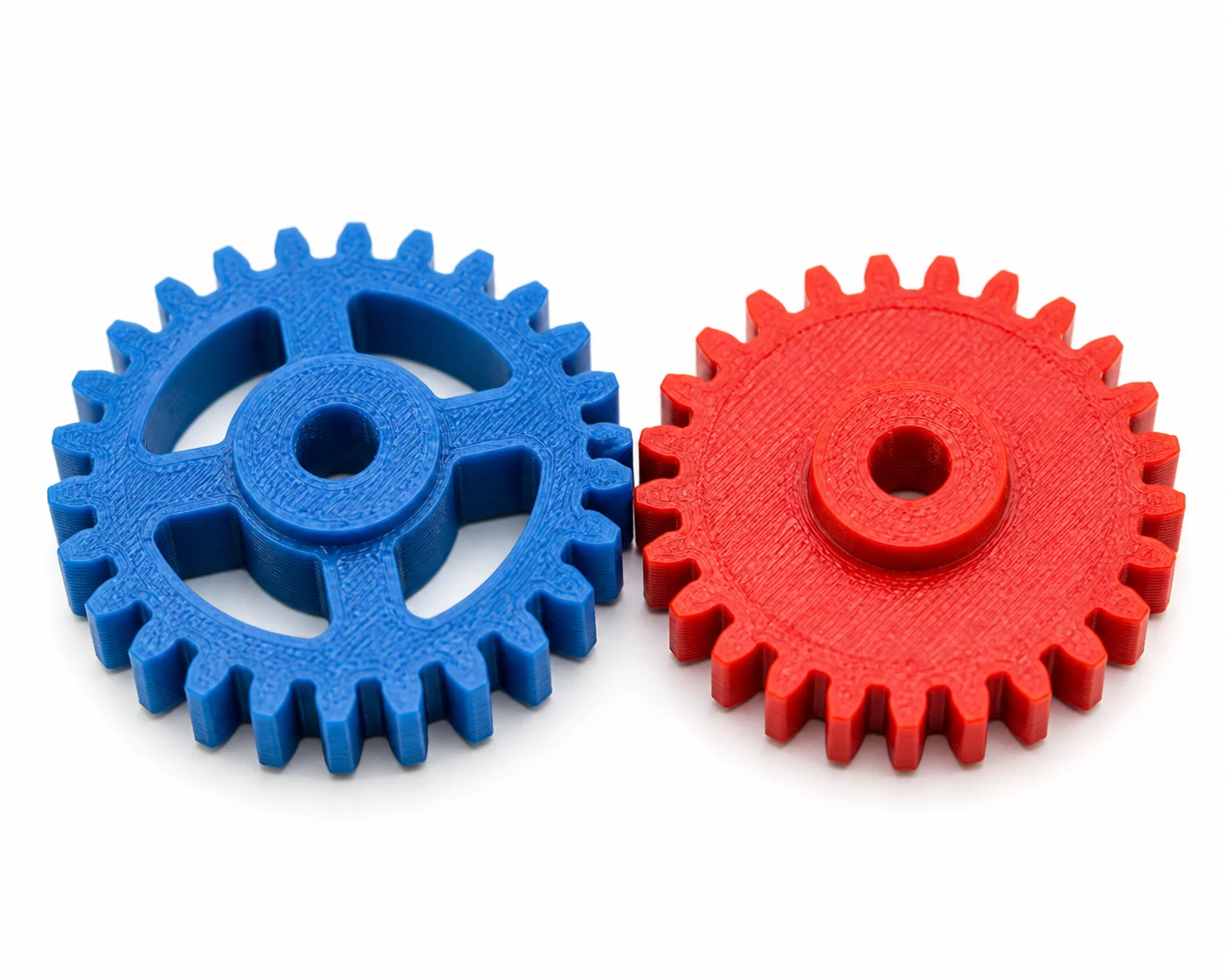
Evaluating parts that printed successfully but fail to assemble as expected.
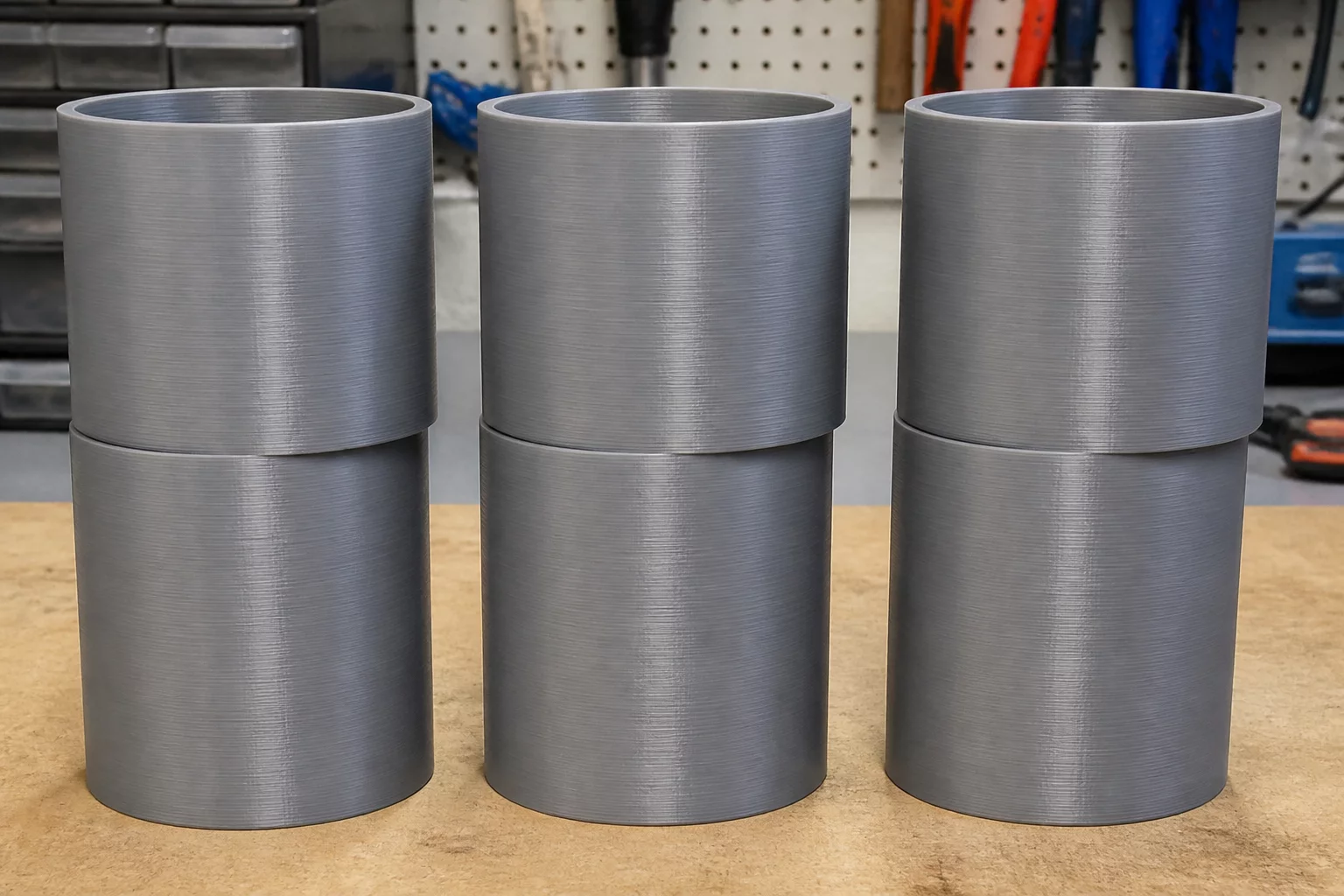
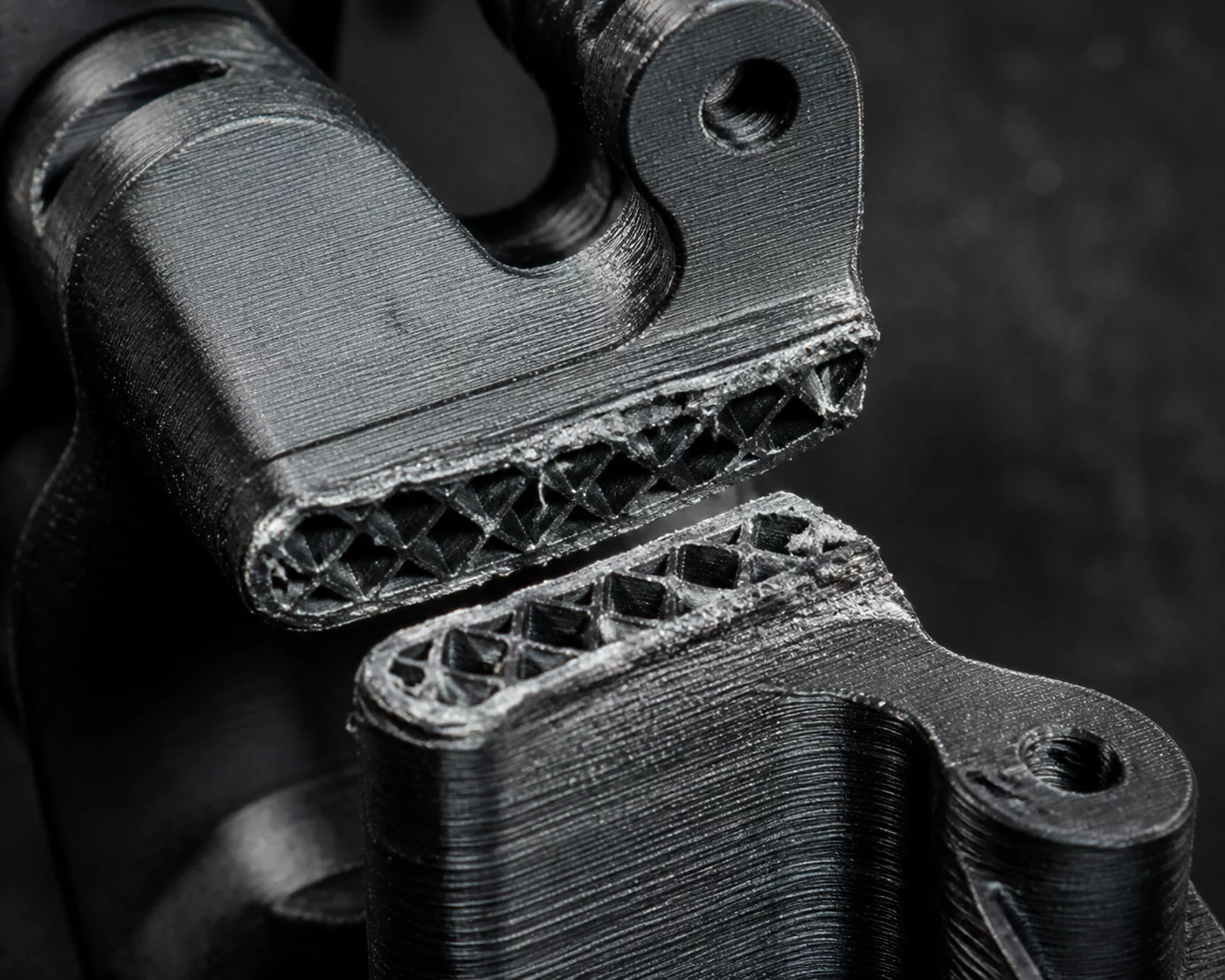
Determining when a cosmetic issue begins to impact the mechanical function of the part.
Never alter extrusion rate, temperature, or jerk in the slicer until you have cross-referenced surface artifacts against dimensional accuracy.
Repeating artifacts at fixed Z-heights or periodic axis oscillations are hardware issues that cannot be permanently corrected in software.
Surface sheen anomalies or minor seam scuffs may not weaken the structural modulus. Evaluate load constraints prior to rebuilding print profiles.